%2Ffit-in%2F250x250%2Fusers%2F368a7ab4-1f73-49ac-8e36-06113ebc3554%2Fimages%2F9bd549fb-3092-47ca-8dcb-5900909fc7bc.jpeg&w=1920&q=100)
Crappie Fishing Adventure at Lake Fork
Crappie Fishing in Lake Fork
5.0

1 Review
- 5
 100%
100% - 4
 0%
0% - 30%
- 20%
- 10%
%2F%2Fusers%2F368a7ab4-1f73-49ac-8e36-06113ebc3554%2Fimages%2Flake-fork-fishing-catch-light-9210.png&w=1920&q=75)
The Pomoxis Nigromaculatus belongs to the order Perciformes and family Centrarchidae. It typically measures between 4 and 19 inches in length, with a weight range up to 5 lbs. - Habitat includes rivers and lakes throughout their range. - Crappies are game fish and the largest members of the Centrarchidae family.
Guided Fishing Trip by Guide Donny Fleenor in March
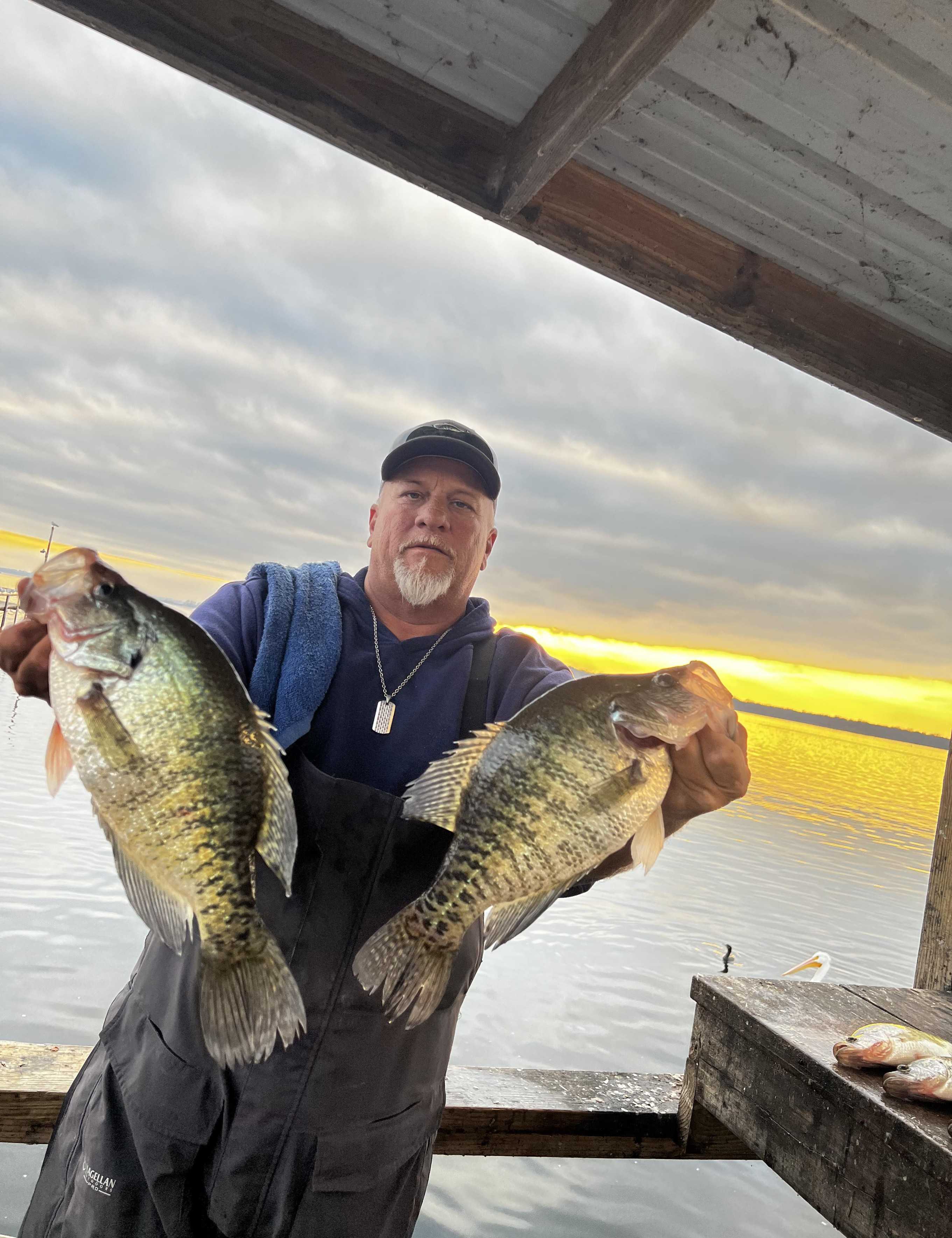
Meet your Guide Donny Fleenor
- Book Our Lake Fork Guide Service Today!


Summary
Guide Donny Fleenor of Crappie Freaks Guide Service on Saturday March offers a specialized Two Day Lake Fork Fishing Package that maximizes your time targeting crappie across Texas's premier fishing destination. This guided fishing trip combines light tackle techniques with drift fishing patterns, allowing anglers to explore Lake Fork's productive structure and cover over two full days. Each session runs 5-7 hours with all bait and tackle provided, making it perfect for anglers wanting to master jigging techniques while experiencing consistent action on one of the state's most reliable crappie lakes. Whether you're new to light tackle fishing or looking to refine your drift fishing skills, this extended package provides ample opportunity to work proven methods across different areas of the lake.
Lake Fork Crappie Guided Trip Texas with Donny – Rates & Booking
Guide Donny Fleenor of Crappie Freaks Guide Service on Saturday March leads this comprehensive 2-day fishing package designed to maximize your crappie success on Lake Fork. Each day includes 5-7 hours on the water using light tackle techniques and drift fishing patterns that consistently produce results across the lake's diverse structure. All bait and tackle are provided by your licensed guide, with rates starting for this extended fishing experience. Book online or call to reserve your dates and discuss specific techniques you'd like to focus on during your time on the water.
Highlights of Lake Fork Crappie Guided Trip Texas
This two-day package stands out for its extended time on the water, allowing you to explore different areas and master various techniques under expert guidance. Donny's knowledge of seasonal patterns and Lake Fork's productive fishing areas helps increase your success rate during each session. The trip focuses on light tackle fishing using jigging techniques and drift fishing patterns that work consistently across the lake's structure and cover.
Suitable for all skill levels, this guided experience provides plenty of fishing time to develop your techniques while enjoying one of Texas's premier crappie destinations. The clear waters and diverse habitat of Lake Fork create ideal conditions for learning and applying proven methods that produce consistent results.
Local Species Insights: Crappie
Lake Fork's crappie population thrives in the lake's abundant structure and cover, making it an ideal destination for targeting these popular panfish. During March, crappie begin their pre-spawn movements, positioning themselves near shallow cover and structure where they're more accessible to light tackle techniques. The lake's diverse habitat provides excellent opportunities for both jigging and drift fishing patterns, with crappie responding well to presentations worked around timber, brush piles, and creek channels throughout the system.
Plan Your Fishing Charter Day
Your two-day Lake Fork experience includes all necessary bait and tackle, with Donny providing expert guidance on technique and location selection throughout each session. The boat accommodates up to 2 guests comfortably, with early morning start times that take advantage of prime fishing conditions. Each day runs 5-7 hours, giving you extensive time to work different areas and techniques while building your skills on this productive Texas lake.
Fishing in Lake Fork: Crappie
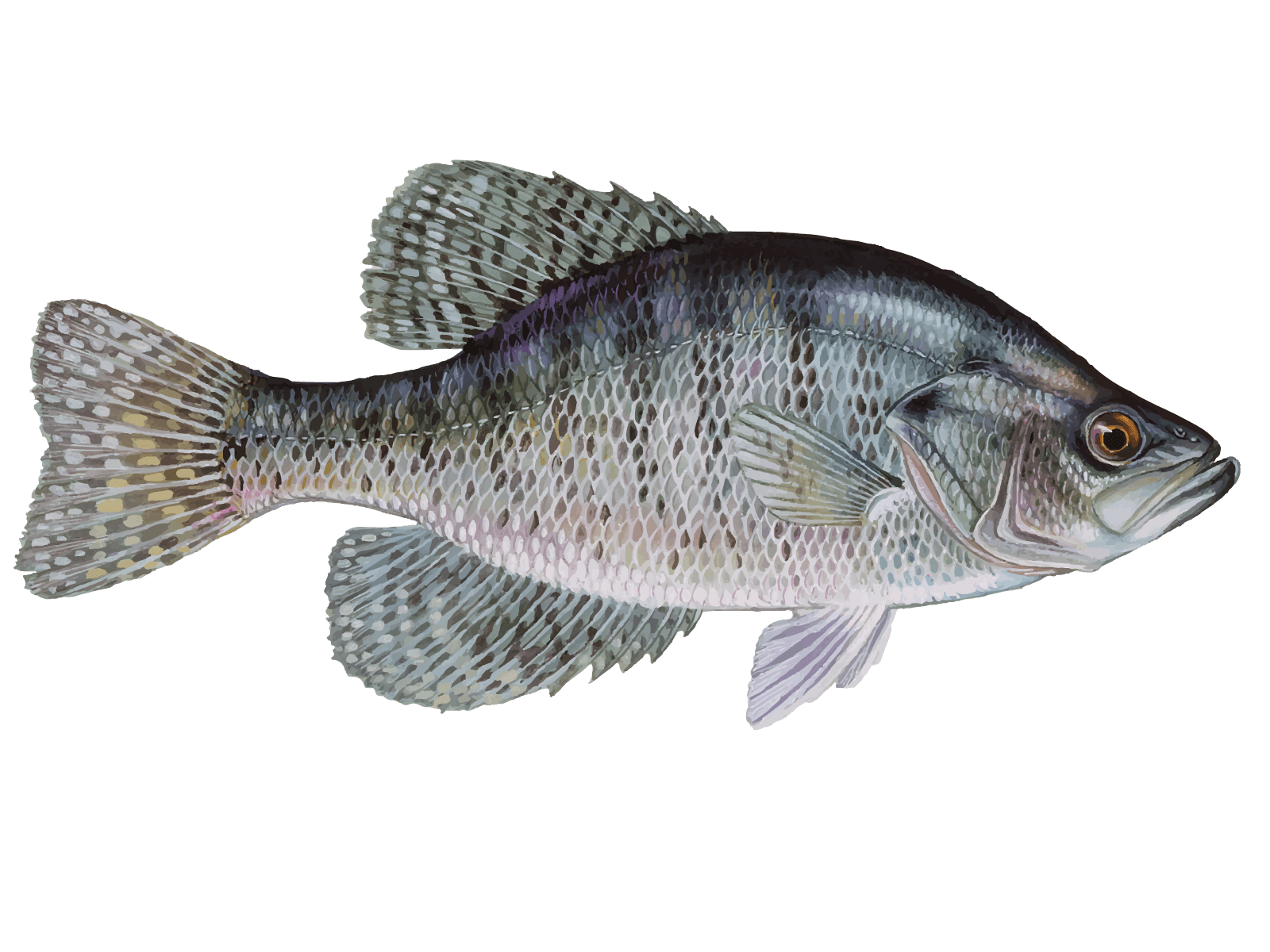
Crappie (Pomoxis nigromaculatus), commonly known as black crappie or "specks," belong to the order Perciformes and family Centrarchidae. These popular panfish are among the largest members of the sunfish family, typically ranging from 4 to 19 inches in length and weighing up to 5 pounds. In Lake Fork waters this March, crappie provide excellent light tackle fishing opportunities as they begin their pre-spawn movements toward shallow structure.
Crappie Overview
Crappie are highly sought-after game fish known for their excellent table fare and willingness to bite. Two main species exist: black crappie (Pomoxis nigromaculatus) and white crappie (Pomoxis annularis). Black crappie display irregular dark spots or speckles across their silvery bodies, earning them the nickname "specks," while white crappie show more distinct vertical bars along their sides.
Crappie Habitat and Distribution
These adaptable fish thrive in both rivers and lakes throughout their range, with Lake Fork providing ideal habitat through its abundant timber, brush piles, and creek channels. Crappie prefer areas with moderate cover and structure, often suspending near submerged trees or relating to drop-offs and creek bends where they can ambush prey.
Crappie Size and Weight
Most crappie caught range from 8 to 12 inches, with fish over 14 inches considered excellent specimens. Trophy crappie can reach 19 inches and weigh up to 5 pounds, though fish in the 1-2 pound range represent quality catches that provide excellent sport on light tackle.
Crappie Diet and Behavior
Crappie feed primarily on small fish, insects, and crustaceans, making them ideal targets for jigs, minnows, and small lures. They often school in groups, so finding one fish typically means more are nearby. During daylight hours, they tend to hold near structure, becoming more active during low-light periods.
Crappie Spawning Season
Spring spawning occurs when water temperatures reach the mid-60s, with males building nests in shallow areas near cover. Pre-spawn crappie stage in deeper water adjacent to spawning areas, making them accessible to anglers using drift fishing techniques and vertical presentations.
Crappie Fishing Techniques
Light tackle fishing with small jigs, live minnows, and tiny spinners produces consistent results. Vertical jigging around structure and drift fishing over submerged timber are proven methods. In March around Lake Fork, anglers find success working jigs near creek channels and timber lines where pre-spawn crappie concentrate before moving shallow.
Crappie Is It Good to Eat?
Crappie rank among the best-tasting freshwater fish, with sweet, flaky white meat that's excellent fried, baked, or grilled. They're high in protein and low in fat, making them a healthy dining option. Their mild flavor appeals to all ages, making crappie a favorite target for family fishing trips.
Crappie Frequently Asked Questions
Q: What is the best bait for crappie?
A: Small jigs in white, chartreuse, or pink work excellent, along with live minnows. Tiny spinners and soft plastics also produce consistent results when worked slowly near structure.
Q: Where can I find crappie near Lake Fork?
A: Look for crappie around submerged timber, creek channels, and brush piles. They often suspend at specific depths, so use electronics to locate schools and structure.
Q: Is crappie good to eat?
A: Absolutely! Crappie have sweet, flaky white meat that's considered among the best-tasting freshwater fish. They're excellent fried, baked, or prepared in fish tacos.
Q: When is the best time to catch crappie?
A: Early morning and late evening provide peak activity, though crappie can be caught throughout the day. Spring pre-spawn and fall periods typically offer the most consistent action.
More specie you can explore on this trip
Crappie Freaks Guide Service Available Trips
Ready to reel in some crappie? Join Captain Donny of Crappie Freaks Guide Service for two full days of fishing on Lake Fork, Texas. This package gives you 5-7 hours each day to explore the lake's best spots and learn the ins and outs of crappie fishing. Whether you're a seasoned angler or just starting out, Donny's got the know-how to help you land some nice catches. He'll show you the seasonal hotspots and share tips to improve your technique. All the gear you need is provided, so just bring yourself and get ready for some quality time on the water. While you'll be out there for a good chunk of each day, lodging isn't included, so you'll need to sort that out separately. It's a great chance to dive deep into crappie fishing and potentially come away with some impressive catches and new skills.